Bike Checklist: 7 Tips for the Perfect Start to the Season
Check your bike, review your riding position, inspect your gear — with this bike checklist, you’ll be fully prepared for the cycling season.
Thomas Hahn
Freier Journalist
 imgeditor.co
What you’ll learn in this article:
- Which technical checks your bike needs before the first ride
- Why your riding position is especially critical after the winter break — and how a bike fitting can help
- How realistic goals and a structured training build-up help you avoid overload
- What really matters when it comes to accessories, cleats, and personal gear
- How smart tools can help you find the right frame size — online and in specialist stores
The days are getting longer, the temperature is rising, and the roads are drying out. For many cyclists, there’s hardly a better feeling than the first real ride of the year. But before you roll out, it’s worth doing a quick reality check: Is your bike really ready? And are you?
If you start the season unprepared, you risk not only technical problems but also physical discomfort that can build up over the course of weeks and seriously affect your enjoyment on the bike. What felt fine in autumn may no longer suit you in spring.
The good news: with the right preparation, most of these problems can be avoided. The following seven tips in our bike checklist will help you start the new season in a structured and relaxed way — whether you ride a road bike, gravel bike, mountain bike, or e-bike.
1. Check Your Bike Thoroughly
Before you even start pedaling, your bike deserves a careful inspection — and that’s exactly where every good bike checklist begins. Check tire pressure and tire condition, inspect the brakes and brake pads, make sure the gears are shifting cleanly, and take a look at the chain, cassette, and chainrings. Are the bearings running smoothly? Are all bolts tightened properly? Are the lights working?
It may sound like a lot, but it can be done in half an hour and can save you a great deal of trouble on the road.
 Canva
CanvaBy the way: if you’re unsure, simply have the check done at a specialist store. Many bike shops offer affordable inspection packages at the start of the season.
2. Review Your Riding Position
Your riding position is one of the most underestimated factors in a successful season — which is why it belongs near the top of every bike checklist. A lot may have changed over the winter: your mobility may not be the same, you may have swapped components, or your body may simply have changed. What felt perfect in autumn may already lead to back pain, knee problems, or numb hands in spring.
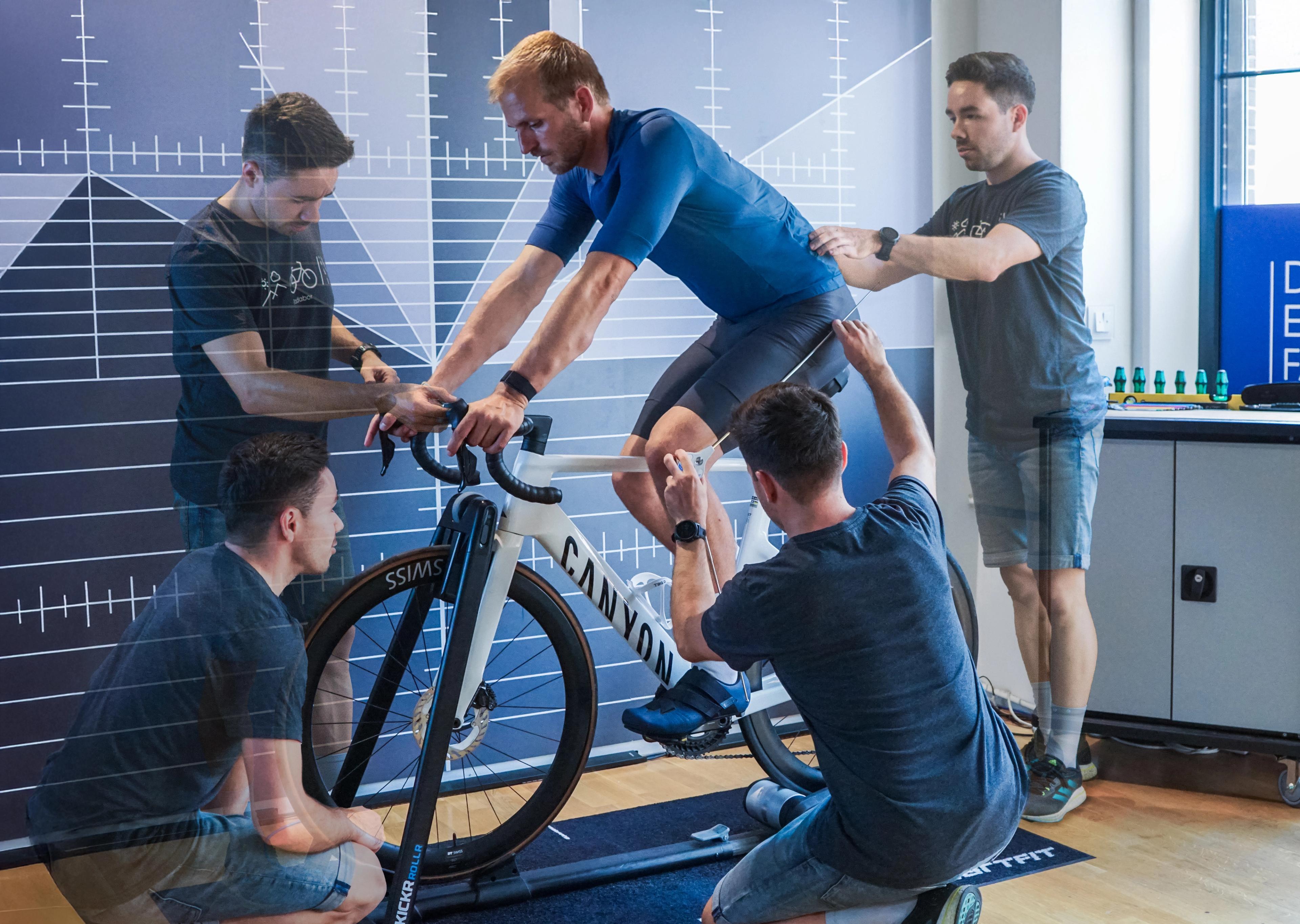
That’s why now is the ideal time to have your position professionally reviewed — through a bike fitting or bike sizing.
3. Set Realistic Goals for the Season
A cycling marathon, an Alpine crossing, the daily commute, or simply getting outside three times a week — anyone who sets clear goals at the beginning of the season stays more motivated and structures their training more effectively.
What matters is that your goals should be ambitious but achievable. If you try to chase personal bests in the very first week, you’re more likely to end up overloaded than improved. It’s more helpful to think of the season in phases: first build your base, then increase intensity, and later work specifically toward your goals. That way, the fun remains — and in the end, you’ll achieve more
4. Increase Your Training Load Gradually
The next tip follows directly from that: after the winter break, your body may not immediately be back at last year’s level — even if your mind would like to believe otherwise. So plan the first few weeks consciously as a build-up phase. Short, easy rides are more valuable at the beginning than long distances at high intensity.
Your body — especially your sit bones, tendons, and joints — needs time to get used to riding again. If you do too much too soon, you risk discomfort in your back, knees, or saddle area.
A useful rule of thumb: increase your weekly training volume by no more than ten to fifteen percent.
5. Check Your Accessories
Besides the bike itself, your accessories also deserve a critical look — a point that should never be missing from any bike checklist. Is your helmet still in good condition and not older than five years? Are your water bottles clean? Is your saddle bag complete?
Small things in particular — such as a missing spare tube, an empty CO₂ cartridge, or a faulty rear light — tend to go unnoticed until the moment you actually need them. You should also power up your bike computer, sensors, and GPS devices before the first ride and update them if necessary.
 Joachim Hoppe
Bonus tip: if you ride clipless pedals, check the condition of your cleats. Worn cleats can change foot position and may lead to knee problems.
6. Plan (New) Routes
New routes are an underrated motivation boost. Before the season starts, take some time to plan fresh routes or research rides you’ve been wanting to do for a while. Apps and online platforms such as Komoot make this easier than ever today.
Variety in your routes not only keeps motivation high but also trains different skills — climbs, flat sections, technical terrain, or long gravel stretches.
Our tip: create a small wishlist of seasonal highlights. That could be a certain mountain pass, a gravel loop, or a bike path you’ve had your eye on for some time.
7. Invest in the Right Gear
Good gear makes a bigger difference than many people think. Well-fitting cycling shorts with a high-quality chamois are the best insurance against saddle discomfort on longer rides — and worth it for every discipline. Cycling gloves are similarly important, providing cushioning and grip while helping prevent numb fingers.
Functional cycling jerseys with good ventilation, a reliable rain jacket, and suitable cycling shoes are also part of the basic kit.
 imgeditor.co
Important: when choosing gear, don’t focus only on looks — pay attention above all to fit and function. Because gear that fits well is gear you’ll want to wear more often and for longer.
Bike Checklist Complete? Then the Season Can Begin!
This overview shows one thing clearly: a successful cycling season doesn’t begin with the first push on the pedals, but with good preparation. Whether you’re checking your bike, reviewing your riding position, setting goals, or inspecting your gear — if you invest a few hours now, you’ll save yourself a lot of frustration later and enjoy more comfort, more safety, and more fun from day one.
And if you’re unsure whether your setup still fits you: a professional bike fitting or bike sizing — for example at a Smartfit dealer — is the most effective step you can take for a successful start to the season. Give it a try — you’ll feel the difference.