Ergonomics & Marketing: 5 Tips for Better Communicating Sizing and Related Topics
Communicating Bike Fitting and Related Topics Clearly: These 5 Tips Help Retailers Impress Customers with Smart Sizing Advice and Boost Sales.

Thomas Hahn
Freier Journalist
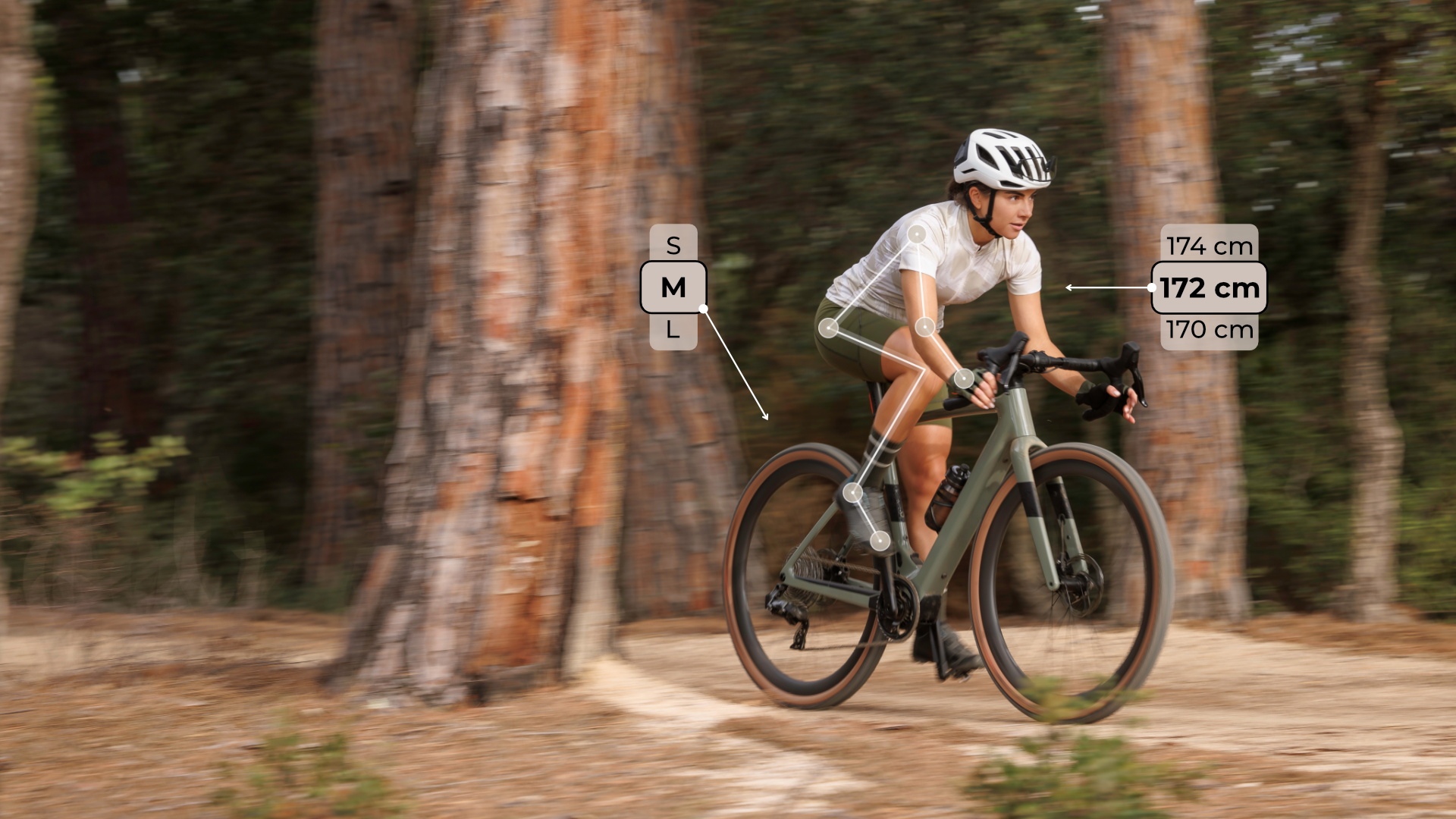
Frame sizes, inside leg length, stack, and reach—for many customers, this is all Greek to them. At the same time, the right size determines comfort and safety. The crux of the matter: Ergonomic services often don’t come up in many retailers’ communications until late in the buying process—if at all. Yet ergonomics is a particularly strong selling point because it’s directly linked to how the bike feels: Does it hurt—or is it fun?
In online retail, there’s another factor to consider: uncertainty hurts conversion rates. Customers who aren’t sure if the frame size will fit either click away or order multiple sizes to choose from—which is costly for retailers and frustrating for customers. The good news: With smart communication, this can easily be improved. That’s why we’ve compiled five tips below to help you use topics like bike fitting, sizing, and ergonomics as a real marketing boost.
1. Clearly highlight the benefits for the customer
Bike fitting, bike sizing, and related topics are often portrayed as purely technical matters. But it’s not about millimeters or charts—it’s about how you feel while riding: sitting comfortably, steering confidently, relieving strain on your back and hands, and making the most of your abilities. When you communicate the difference a properly fitted bike makes in everyday life, you’ll connect with customers much more effectively than with complicated formulas. Ergonomics means: fun instead of pain, control instead of uncertainty. That’s exactly what you should be telling them.
2. Sizing should go at the top—not at the end
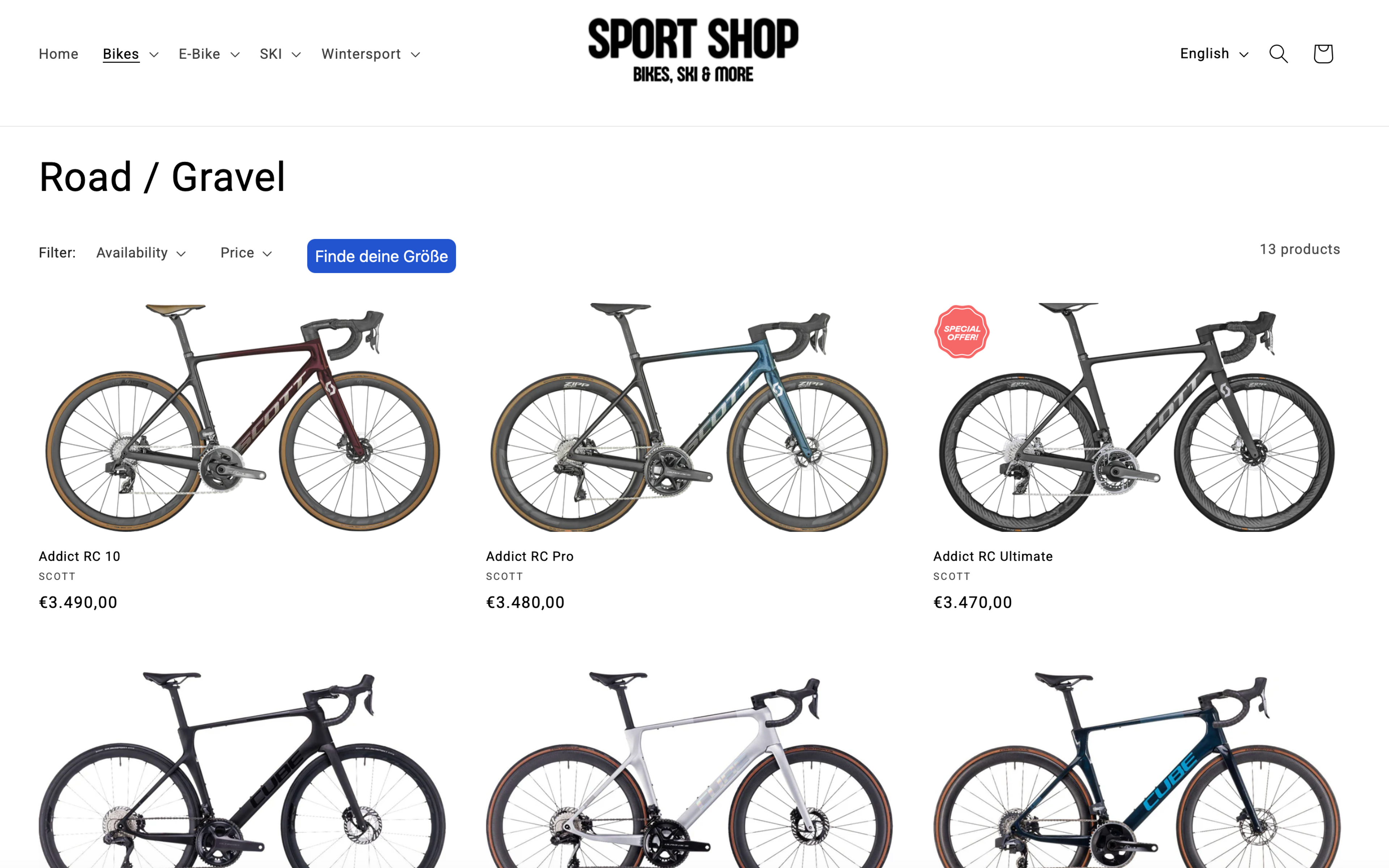
Many online stores hide size recommendations at the very bottom of the product page or only in the shopping cart. But by then, it’s already too late. People want to know if a product will fit them before they fall in love with it. The more prominent the sizing guidance, the more confidence it instills. The ideal placement is right next to the price or even before the model selection—as a logical starting point. This is exactly where the Smartfit Sizing Widget comes in: When customers know what fits first, they can make a decision on the right model faster. Sizing is part of the navigation, not an add-on feature.
3. Visualize rather than explain
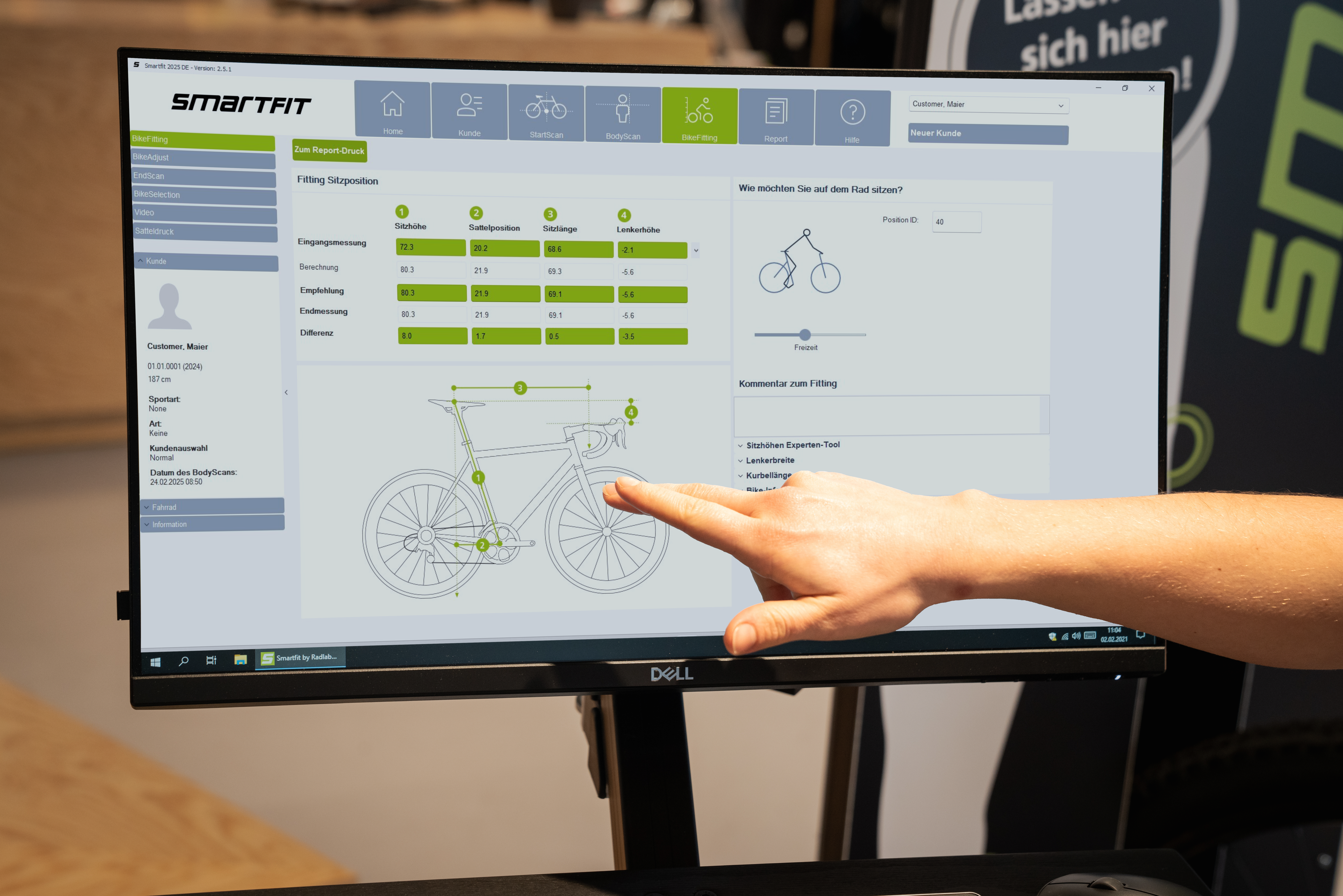
Ergonomics can sometimes be hard to put into words, but very easy to demonstrate. Even a simple before-and-after example or a height slider can trigger an “aha” moment. When customers see how seating positions change or how a recommendation is generated, they immediately understand the added value. Visualizations lower the barrier to engagement, bring the consultation to life, and ensure that people click through with a positive feeling. Less text, more experience: that’s the trick.
4. Transparency builds trust
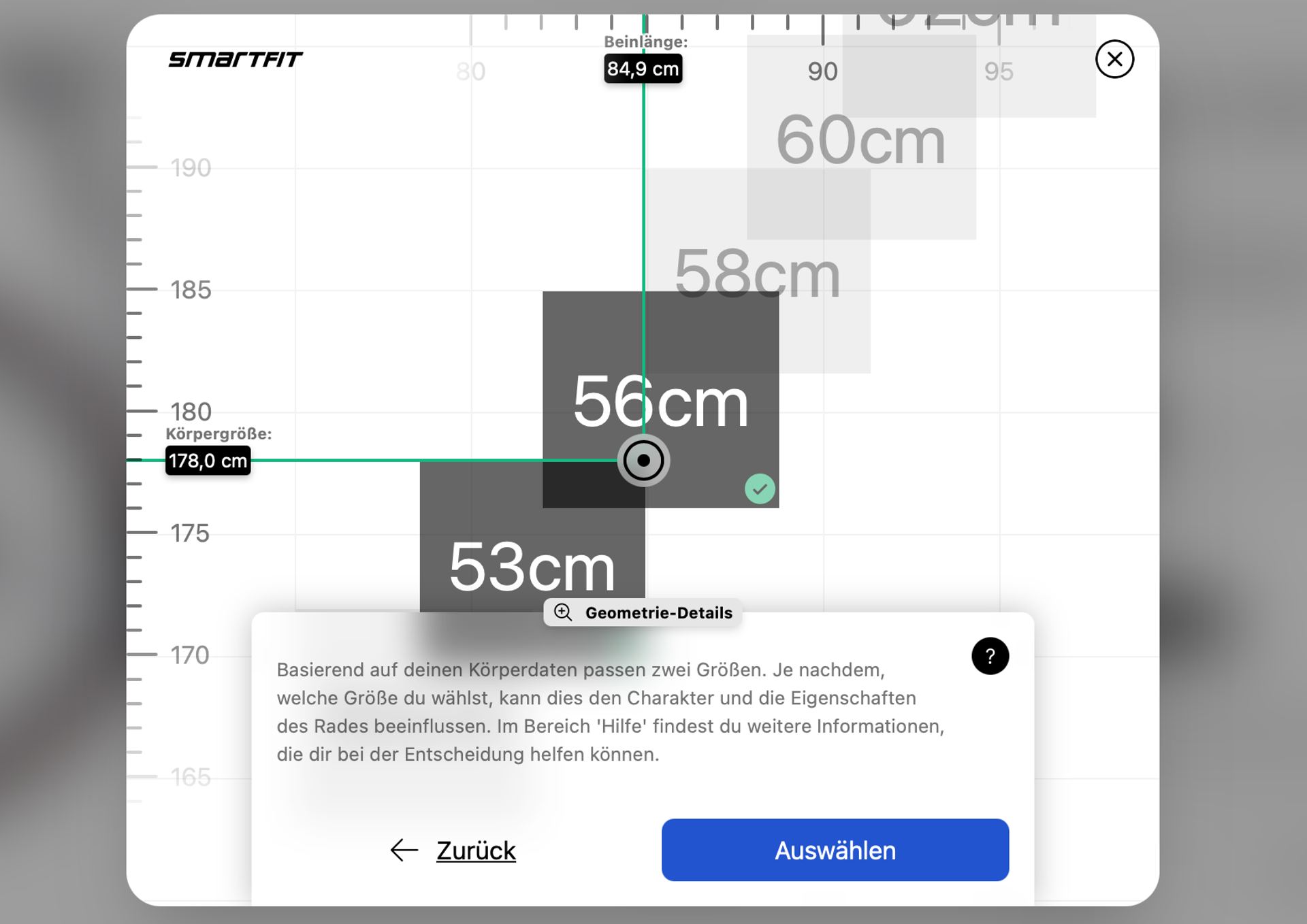
A sizing tool that simply spits out a size without providing an explanation often creates new uncertainty. Customers want to understand exactly why they’re getting that recommendation—and what options they have. Especially when they fall between sizes, they need guidance. If you briefly explain how a more athletic or comfortable fit feels, or what adjustments can be made later, it builds confidence. You demonstrate that the recommendation isn’t based on chance—but on logic, experience, and genuine user needs. This builds trust and prevents customers from backing out just before completing their purchase.
5. Ergonomics is sustainability—and a service promise

Returns cost money and resources. A bike that doesn’t fit will be sent back or, at best, used reluctantly. That’s anything but sustainable. When you communicate that choosing the right size prevents impulse buys, extends the product’s lifespan, and enhances customer satisfaction, you strengthen your brand. Plus, ergonomics is one of the few areas where service and sustainability go hand in hand. You’re doing something for the environment—and at the same time for your customers’ satisfaction.
Bottom line: Ergonomics sells—when you talk about it
Bike fitting and bike sizing aren’t details you can just brush aside. Ergonomics is one of the most powerful tools in the sales process: A bike that fits makes people happy—and happy people are more likely to buy, buy more often, and feel better about their purchase. If you introduce ergonomic services early on, explain them simply, and demonstrate them visually, you create clarity and build trust. Because: Ergonomics is more emotional than many people realize. And with the right approach, you help your customers understand a topic that remains a mystery to many—thereby paving the way for the right decision and a truly great riding experience.