Behind the scenes: Smartfit production relies on local partners
Smartfit manufactures its systems in a small, well-coordinated production facility – with a focus on regionality, direct communication and continuous optimization.

Marie Schmidt
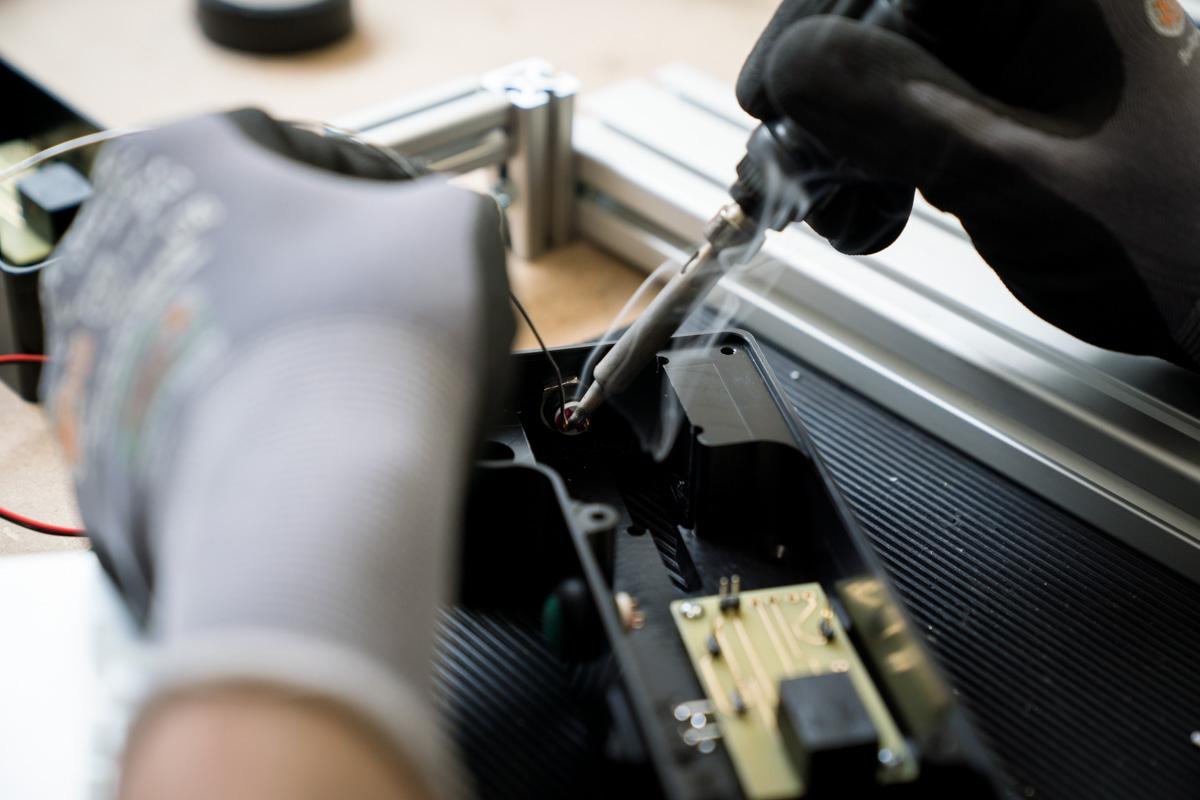
Precise sizing begins long before the first measurement—it starts in production. Every Smartfit system is developed in close collaboration with regional partners, with the goal of creating durable, precise, and practical solutions. Short decision-making processes, a high degree of vertical integration, and an uncompromising focus on quality make Smartfit production more than just a manufacturing process. A look behind the scenes reveals why this production method is a central part of Smartfit’s DNA—and how it makes a difference in daily use.
Local Production with a Focus on Quality
When manufacturing its systems, Smartfit deliberately relies on local partners and a small, well-coordinated production team. Many components, especially the wooden elements, come from businesses directly in the Black Forest. Instead of global mass production, Smartfit chooses a production approach based on regional expertise, direct coordination, and high vertical integration. This proximity to partners and producers makes processes transparent, efficient, and traceable—which sustainably enhances product quality.
Short lines of communication, direct dialogue
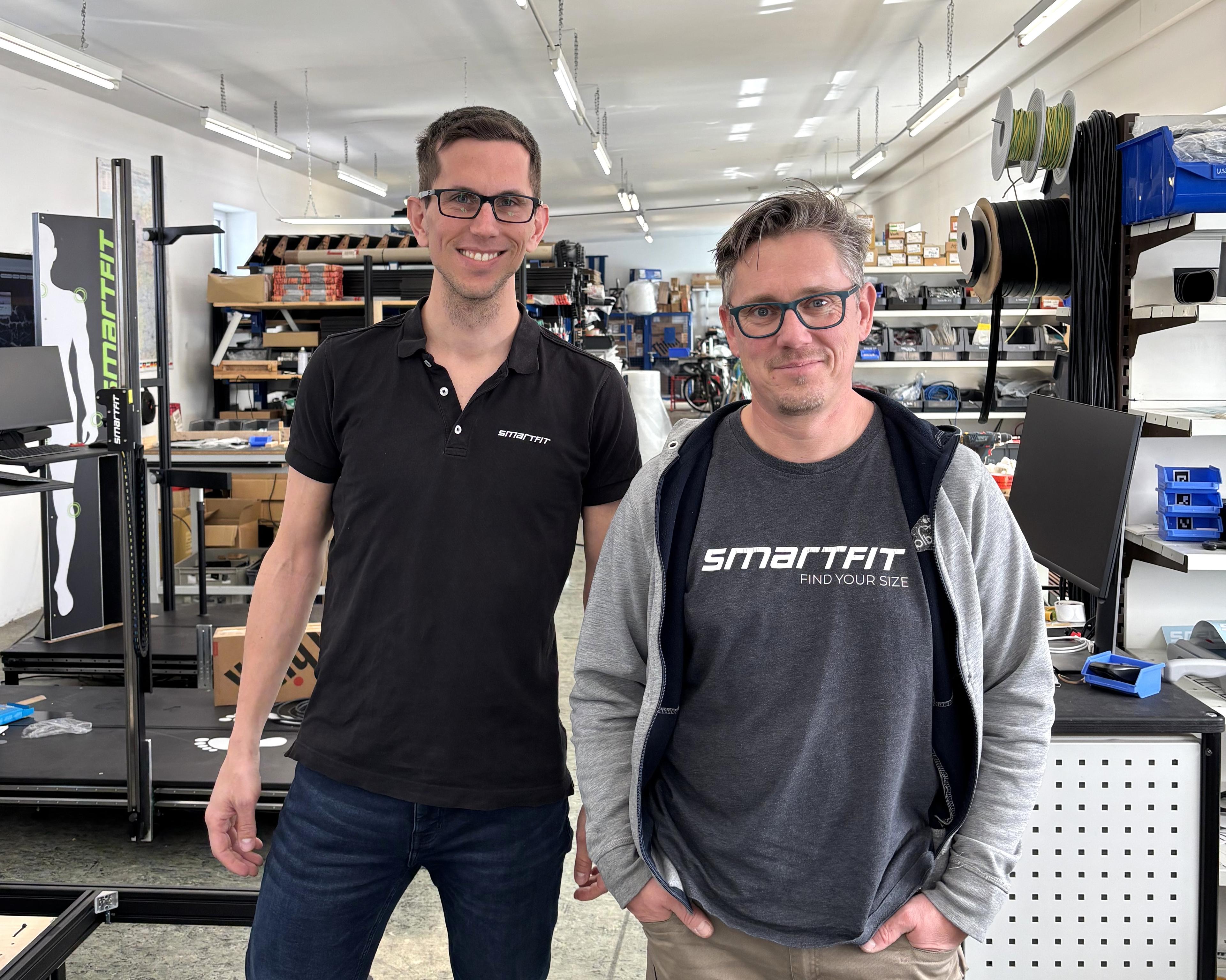
Our close ties with suppliers are evident not only in our selection of regional partners but also in our day-to-day collaboration. Suppliers—such as those providing aluminum profiles or sensors—regularly visit the production floor to exchange ideas and discuss any potential issues directly. This allows us to implement improvements quickly and identify potential sources of error early on.
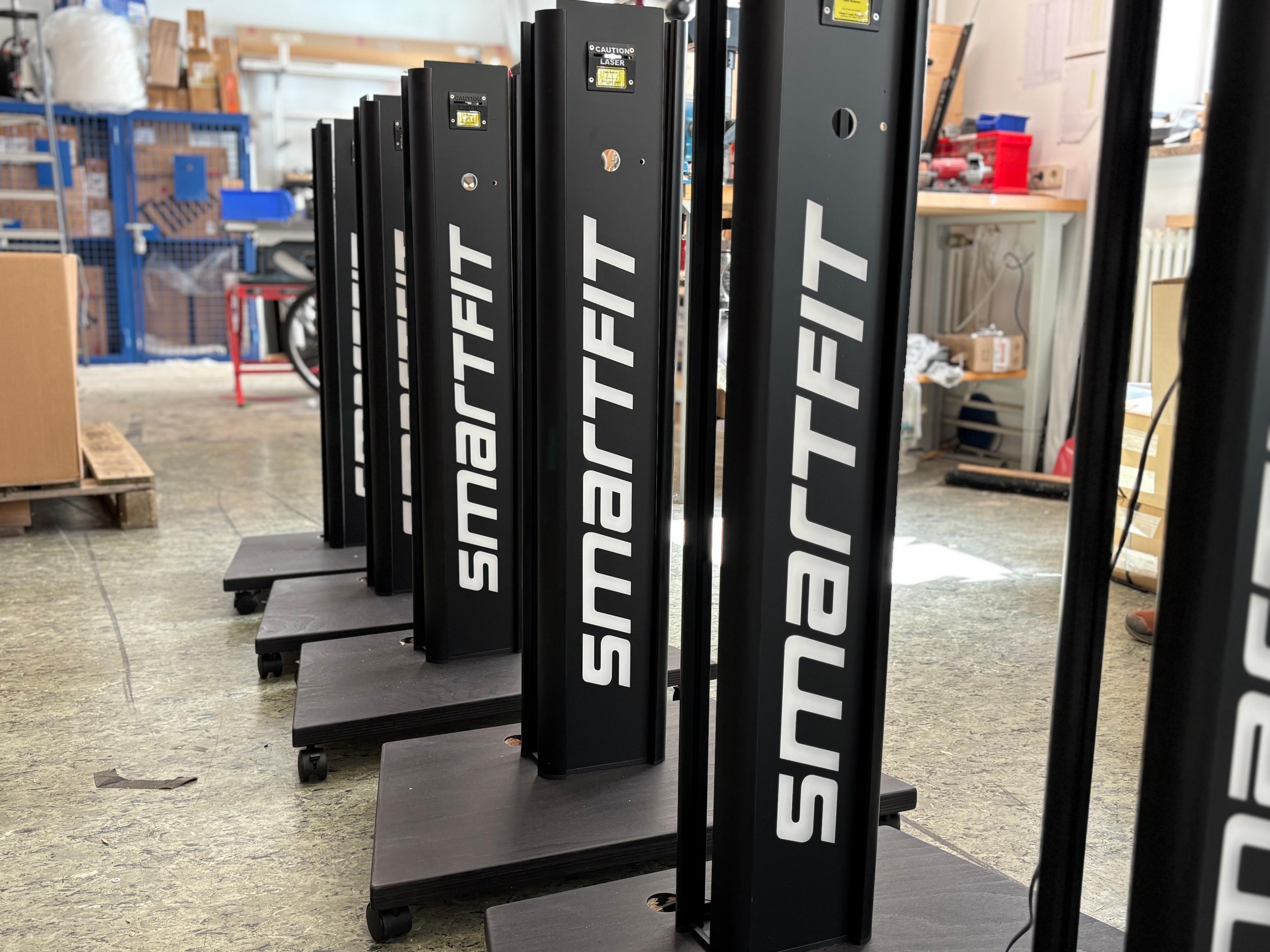
Flexibility Throughout the Season
While April is traditionally a strong month for bicycle retailers, the peak season for Smartfit begins right at the start of the year. Many retailers use this quieter period to stock up on new systems for the upcoming season. As a result, the production team is particularly busy during the first few months of the year. The biggest challenge: ensuring that all parts are in stock and that no shortages disrupt the smooth workflow. Flexibility and forward-looking planning are crucial here.
Optimizations for Greater Efficiency
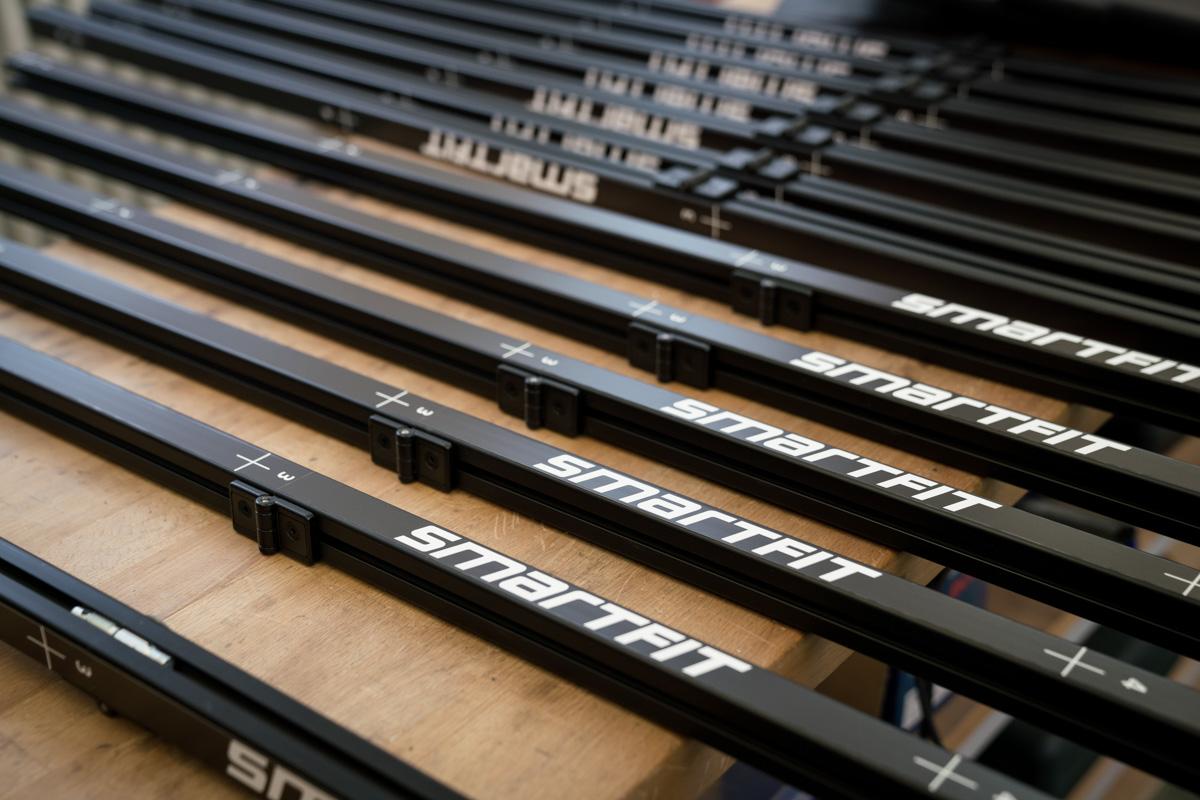
Concrete measures have been implemented for the 2025 season to further improve production. One example: The packaging for the Smartfit Q2 system has been switched to recycled PE foam. An investment that may sound trivial at first, but which makes the packaging process three to four times faster. Individual components have also been redesigned to prevent potential problems early on. The goal is to produce not only faster but also with less maintenance—to the benefit of customers and support.
 Bashi Bender
Conclusion: Small but well-designed
Smartfit’s production process demonstrates just how much can be achieved with a small team and clear workflows. Regional partnerships, a high degree of flexibility, and continuous process optimization ensure that customers receive their orders reliably and quickly. Behind every Smartfit system lies not only technology but also genuine craftsmanship—and a team that thinks proactively.