Bike Fitting as an Upselling Opportunity: 5 Examples from Everyday Retail
Bike fitting is more than just a service. Ergonomic advice can also create predictable additional revenue in retail. Here’s how.

Thomas Hahn
 Partly edited with AI
What you’ll learn in this article
- Why the sales conversation doesn’t end with the frame size, it begins there
- How a complaint becomes a paid job instead of a goodwill case
- Why e-bike customers are the most underestimated bike fitting audience
- How to sell bike fitting as a standalone product in the off-season
- Why saved body measurements make the next bike purchase more likely
A customer buys a gravel bike for €3,200. The consultation takes 20 minutes, followed by a short test ride and the sale, and everyone leaves happy, a seemingly perfect success. The catch: three weeks later, the same customer orders a different saddle, new grips and a pair of cycling shoes online, because his hands go numb on longer rides. The additional revenue ends up somewhere else instead of with you, a situation that comes up again and again in brick-and-mortar retail.
It doesn’t have to be this way. The need for those extra products was there all along, it just never became visible in the sales conversation. The solution is a more in-depth sales process. If you talk about frame size, riding position and contact points, you spot problems like these before they show up on the first long ride. That’s exactly what professional bike fitting does, and that’s where its economic potential lies. It’s a service with its own price tag, and at the same time the logical door opener for everything that follows, from the saddle and grips to pedals, stem or shoes.
The key advantage: because each additional recommendation comes out of the consultation itself, it never feels like an afterthought at the checkout. The following five examples show where this potential can be tapped in everyday retail.
Example #1: From a New Bike to a Complete Setup
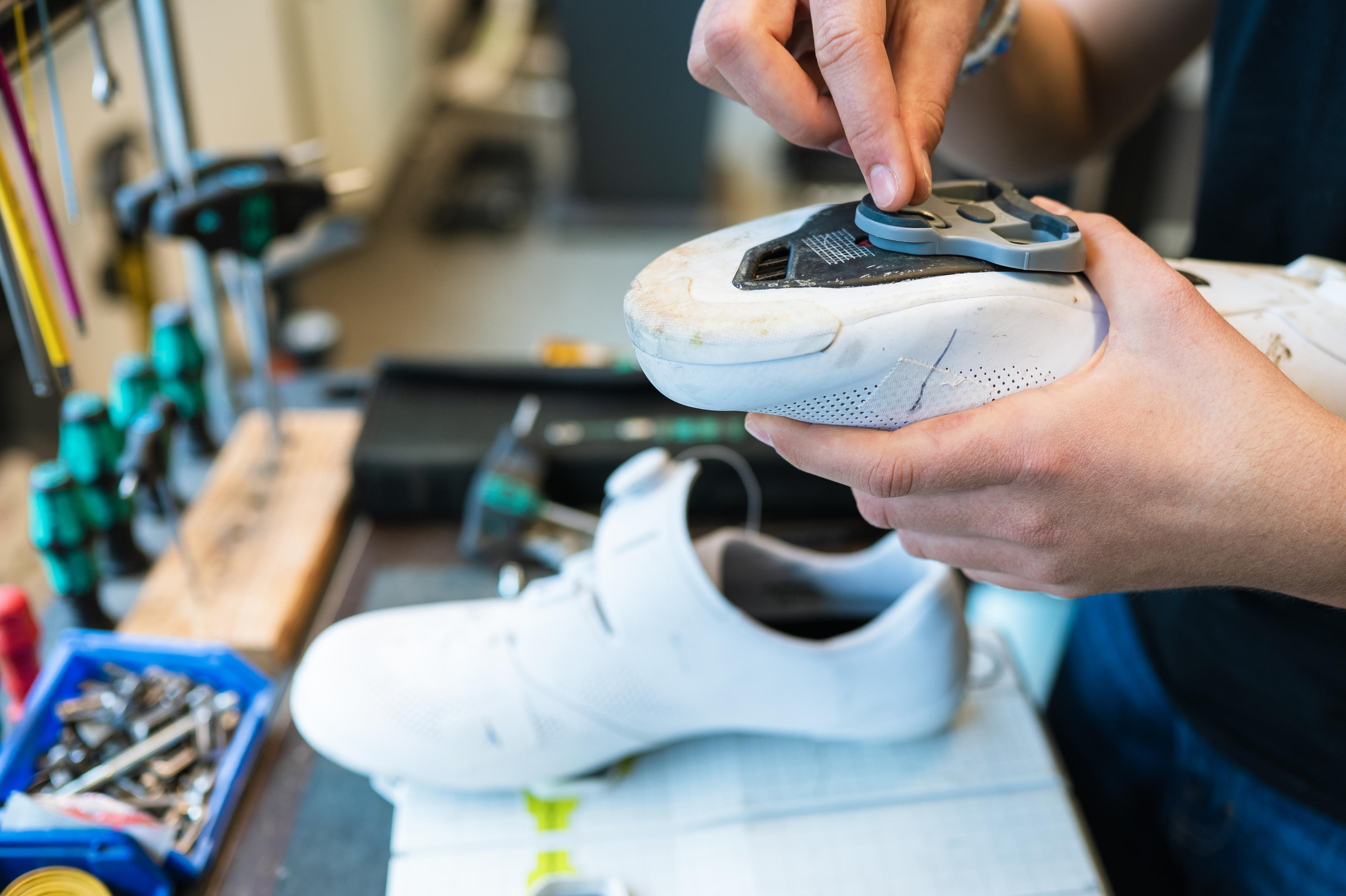
The most obvious potential lies right in the sales conversation. Once the customer has settled on the bike they want, they’re already deep in the topic: How does the riding position feel? Where does it hurt? How long are the rides you’re planning? That’s exactly where bike fitting comes in, at the contact points between rider and machine. Saddle, grips, pedals and cleats become the logical continuation of what you’re already talking about.
The transition is what matters here. If you start over after the sale and bring up accessories from scratch, it feels like an afterthought. If the recommendation comes straight out of the measurement, it’s simply the next step in the conversation. This is all the more true because the best time for add-on sales is when the budget decision is still open. Someone who has just approved €3,000 for a bike will see €120 for a well-fitting saddle very differently than they will three weeks later in front of a laptop.
Example #2: A Complaint Becomes a Paid Job
Let’s move on to the second situation. Four weeks after buying her new bike, a customer is back in your shop with a tense neck, numb hands and a dampened enjoyment of the bike. The usual response is a goodwill reflex: swap the saddle, rotate the stem, tinker a bit with the handlebars and hope it helps. That costs you workshop time, ties up staff and, at worst, only leads to a second round of the same conversation.
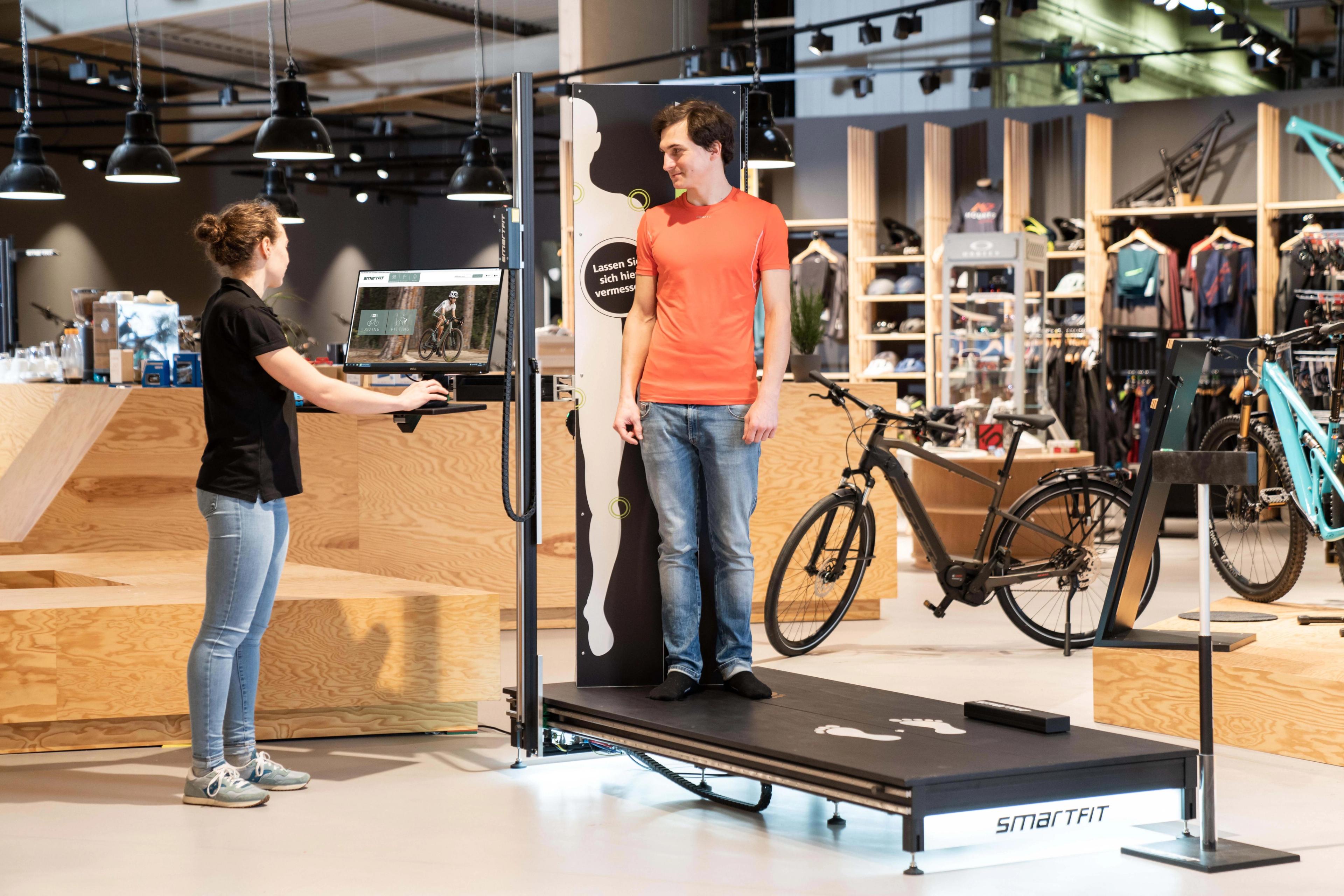
A structured bike fitting turns this situation around. Instead of fixing the symptom, you analyze the cause, whether that’s mobility, proportions, sitting habits or intended use, and then deliver a well-founded solution. For the customer, it’s easy to follow. For you, it’s predictable, and as a service it can be billed cleanly. What used to be a pure cost becomes a paid job that, in many cases, brings accessory sales with it.
Important: tone is everything. A paid fitting should never sound like a brush-off. Instead, briefly explain why another round of trial-and-error swaps helps no one, and what the measurement actually does.
Example #3: The Underestimated Audience: E-Bike Riders
E-bikes now account for a large share of revenue in bike retail. Yet this is the group that is least often offered a fitting, because many people stubbornly cling to the idea that ergonomics is a topic for road cyclists. In reality, e-bike riders ride just as often, just as long and often under similarly high loads. On top of that, the higher system weight, a typically more upright riding position and longer rides can make poor posture and pressure problems even worse. A professional bike fitting can therefore noticeably improve comfort, control and enjoyment on an e-bike, too.
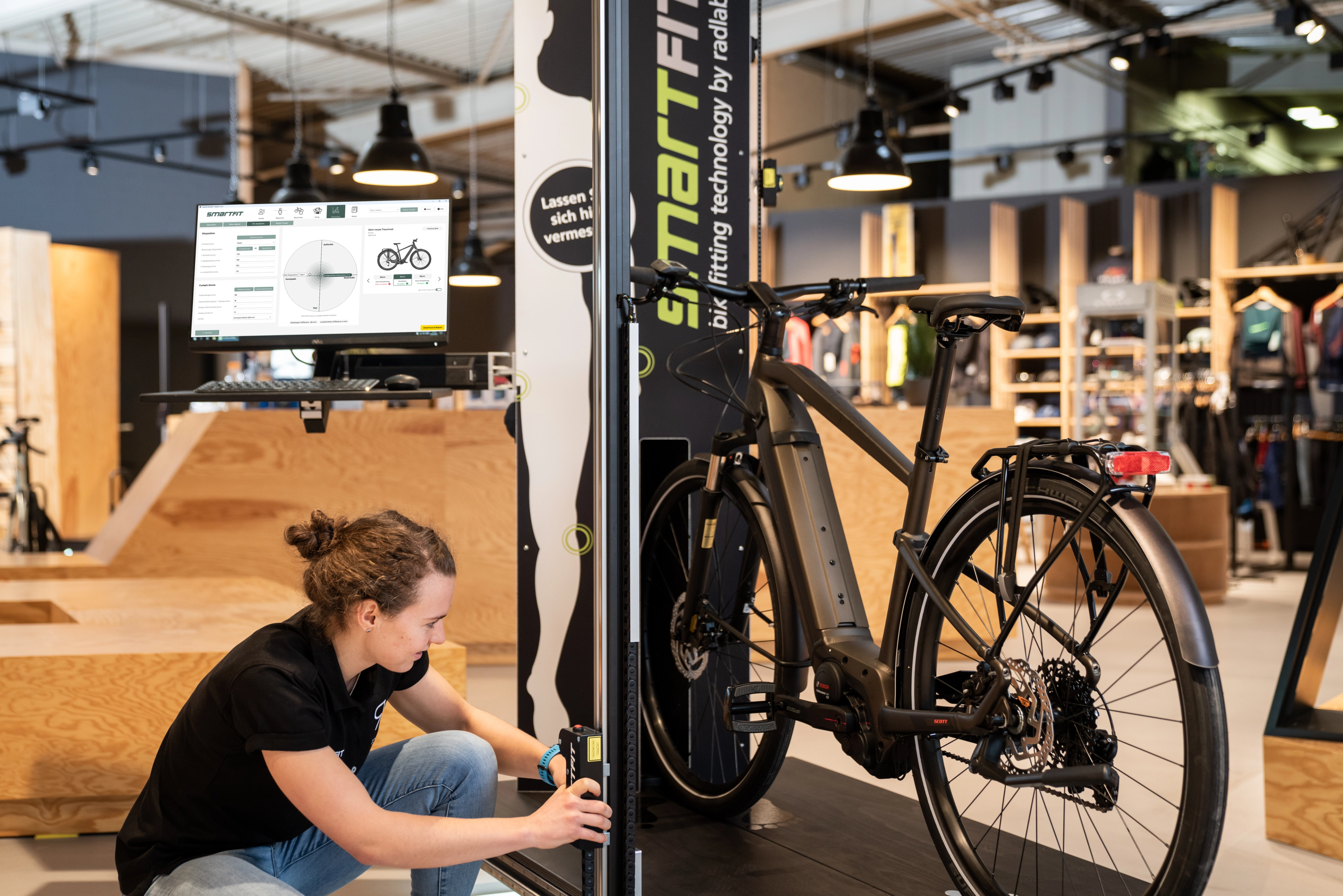
There’s also a simple business argument: pedelecs are priced well above non-motorized bikes. So the willingness to pay for a proper setup is definitely there with this group, it’s just asked about far too rarely.
Example #4: From Off-Season to Fitting Season
Bike fitting works largely regardless of weather, season or new bike inventory, which makes it ideal for filling the slower months. The key is to see the service not just as an add-on to a bike sale, but as a standalone product with a fixed price, a clearly defined scope and bookable appointments. That gives you a service you can market in a targeted way and reliably schedule during quieter periods.
Fall and winter are a particularly good time: after a long season, many customers know exactly where it pinches. Discomfort in the knees, back, hands or saddle area gives them a concrete reason to book a fitting. At the same time, you bring customers into the shop even when no bike purchase is on the horizon. A tip: gift vouchers, your website, social media and in-store signage help make the service visible and generate additional appointments.
Example #5: From One Fitting to the Next Bike Sale
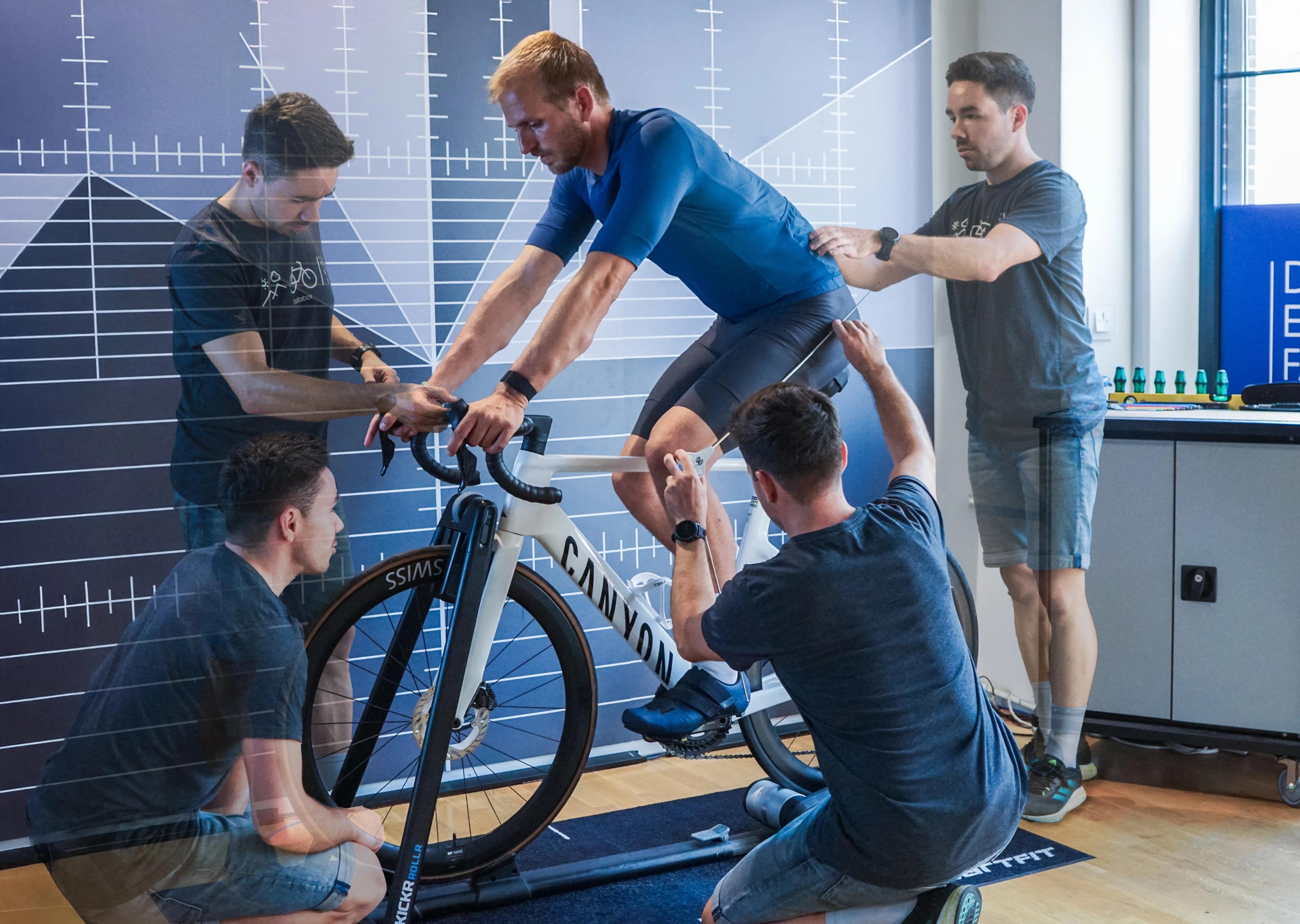
A professional fitting delivers solutions for the current bike. But it can also provide valuable data for the next purchase. Body measurements, riding position and individual preferences help you narrow down suitable models and frame sizes faster later on and build your advice in a more targeted way. That way, the next time a customer buys a bike, the conversation doesn’t start from zero.
This creates a clear advantage over online retail: you know their previous purchases, and you also know which bike and geometry suit each person. If you document this data with the customer’s consent, you create an additional service and a good starting point for the next bike sale. A single fitting can turn into a long-term customer relationship.
Ergonomics as a Second Sales Engine
Back to the gravel bike customer from the beginning. His need for a saddle, grips and shoes was already there the moment he left your shop, it just wasn’t visible to either side yet. And that’s exactly what a structured bike fitting changes: it turns a vague “could be more comfortable” into a concrete, well-founded recommendation. One you can actually sell, without it feeling like selling.
 Partly edited with AI
The five examples show just how broadly this potential is spread: from the add-on sale with a new bike, through the complaint case, to better capacity utilization in the off-season and the next bike sale two years down the line. What all of these situations have in common is that the revenue doesn’t come from more sales pressure, but from more depth in the conversation. In short, bike fitting is a predictable revenue building block for every customer group. And in the end, both sides benefit: you sell more than just a bike, and your customers ride home with something that truly fits them.